


Effective Stress Relief for Parents: Practical Techniques to Find Calm

Parenting is a rewarding journey filled with joy and challenges. However, it can also bring significant stress that affects your well-being and family life. Managing this stress effectively is essential to maintain balance and happiness. This article explores practical and actionable ways to reduce tension and regain control, helping parents feel more relaxed and confident in their daily lives.
Understanding Stress Relief for Parents
Stress in parenting can come from many sources: balancing work and family, managing children's needs, or dealing with unexpected situations. Recognizing the signs of stress early is the first step toward relief. Common symptoms include irritability, fatigue, difficulty concentrating, and feeling overwhelmed.
To combat these feelings, parents need strategies that fit into their busy schedules and address their unique challenges. Stress relief for parents involves both immediate calming techniques and long-term lifestyle adjustments. These approaches help reduce anxiety and improve overall mental health.
Practical Tips for Daily Stress Relief
Incorporating simple habits into your daily routine can make a big difference. Here are some effective ways to reduce stress every day:
Prioritize Sleep: Aim for 7-8 hours of quality sleep. Lack of rest increases stress hormones and reduces patience.
Stay Active: Even short walks or stretching can boost mood and energy.
Mindful Breathing: Take a few minutes to focus on deep, slow breaths to calm your nervous system.
Set Realistic Goals: Break tasks into smaller steps and celebrate small wins.
Ask for Help: Don’t hesitate to reach out to family or friends when you need support.
These small changes can create a foundation for better stress management and improve your ability to handle parenting challenges.
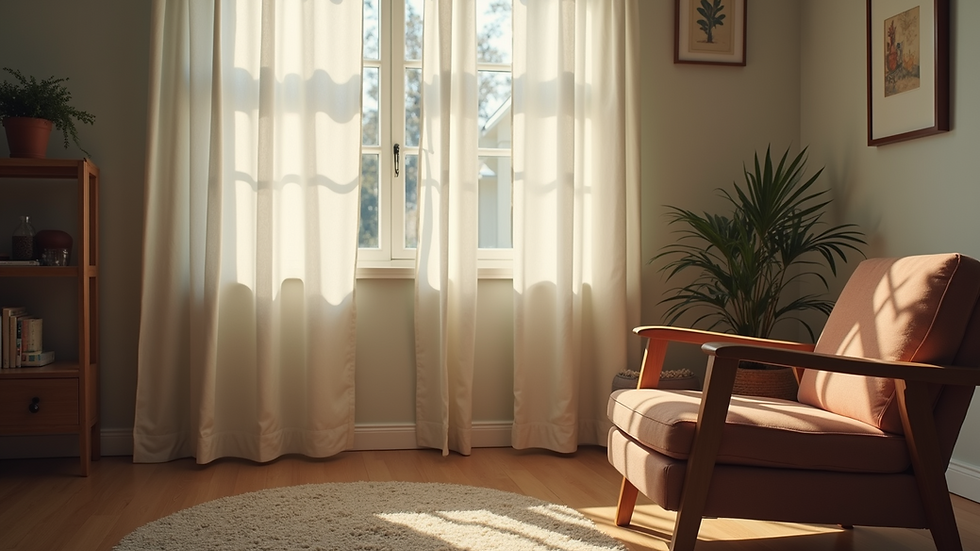
Creating a Supportive Environment for Stress Relief for Parents
Your home environment plays a crucial role in how you manage stress. A cluttered or chaotic space can increase feelings of anxiety, while a calm and organized setting promotes relaxation.
Declutter Regularly: Keep common areas tidy to reduce visual stress.
Create a Quiet Zone: Designate a small area for relaxation or meditation.
Use Soothing Colors: Soft blues, greens, and neutrals can help create a peaceful atmosphere.
Incorporate Nature: Houseplants or natural light can improve mood and air quality.
Limit Noise: Use white noise machines or soft music to drown out distractions.
By making your home a sanctuary, you provide yourself and your family with a place to recharge and feel safe.
How to Use Stress Management Techniques in Parenting
One of the most effective ways to handle the pressures of parenting is to learn and apply stress management techniques. These methods help you stay calm and focused, even during difficult moments.
For example, when a child is having a tantrum, instead of reacting impulsively, try these steps:
Pause and Breathe: Take a deep breath before responding.
Acknowledge Feelings: Validate your child’s emotions without judgment.
Use Positive Language: Speak calmly and clearly.
Set Boundaries: Gently but firmly explain acceptable behavior.
Take a Break if Needed: Step away briefly to regain composure.
Practicing these techniques regularly builds resilience and improves your relationship with your children.

Incorporating Self-Care into a Busy Parenting Schedule
Self-care is often overlooked by parents but is vital for maintaining mental and physical health. It doesn’t require large blocks of time; even small moments dedicated to yourself can have a big impact.
Schedule “Me Time”: Block out 10-15 minutes daily for activities you enjoy.
Practice Gratitude: Write down three things you are thankful for each day.
Engage in Hobbies: Reading, gardening, or crafting can provide a mental break.
Stay Connected: Maintain friendships and social support networks.
Seek Professional Help: Don’t hesitate to consult a therapist if stress becomes overwhelming.
Remember, taking care of yourself enables you to be a better parent and role model.
Building Long-Term Resilience Through Healthy Habits
Stress relief for parents is not just about quick fixes but developing habits that promote long-term well-being. Consider these strategies:
Balanced Nutrition: Eat regular, healthy meals to stabilize energy and mood.
Regular Exercise: Aim for at least 30 minutes most days.
Mindfulness and Meditation: Practice daily to increase awareness and reduce reactivity.
Time Management: Use planners or apps to organize tasks and reduce last-minute stress.
Positive Mindset: Focus on what you can control and practice self-compassion.
By integrating these habits, you build a strong foundation to face parenting challenges with confidence and calm.
Embracing the Journey with Compassion and Patience
Parenting is a continuous learning process. It’s important to be kind to yourself and recognize that stress is a natural part of life. By applying effective stress relief strategies, you can create a healthier, happier environment for both you and your children.
Remember, every small step toward managing stress counts. Celebrate your progress and keep moving forward with hope and determination. Your well-being matters, and taking care of yourself is one of the best gifts you can give your family.


Comments